
Hey, so something pretty wild just went down at the Supreme Court on June 27, 2025. In a 6–3 decision, the Court basically told federal district judges: “Hey, you can’t go blocking stuff for the whole country anymore.” That’s a major shift—especially for challenges to Trump’s executive order on birthright citizenship.
Here’s the thing. Trump signed Executive Order 14160 back in January, trying to yank birthright citizenship away from babies born here to undocumented or nonimmigrant parents. It got slapped with nationwide injunctions by a few district courts—meaning, it was frozen everywhere. But now the Supreme Court said those universal shutdowns “likely exceed the equitable authority” courts are allowed, and told lower courts they can only block it for the folks who actually sued.
Justice Amy Coney Barrett wrote the majority opinion, pointing out that way back when the Judiciary Act began in 1789, nationwide injunctions weren’t a thing. She basically said: relief should be “complete” for plaintiffs, sure, but that doesn’t mean court-imposed freezes everywhere.
Trump called it a “monumental victory for the Constitution” and cheered that judges were being “reined in.” Naturally, Stephen Miller went off calling opponents “Marxist judges.” Plenty of conservative voices are popping champagne. Meanwhile, liberals aren’t too happy.
Justice Sonia Sotomayor blasted it, calling it a “travesty of law” that threatens the rule of law—she warned kids born in states without ongoing lawsuits might end up in a legal limbo. Justice Jackson echoed that, saying it’s a direct path for the government to do unconstitutional things.
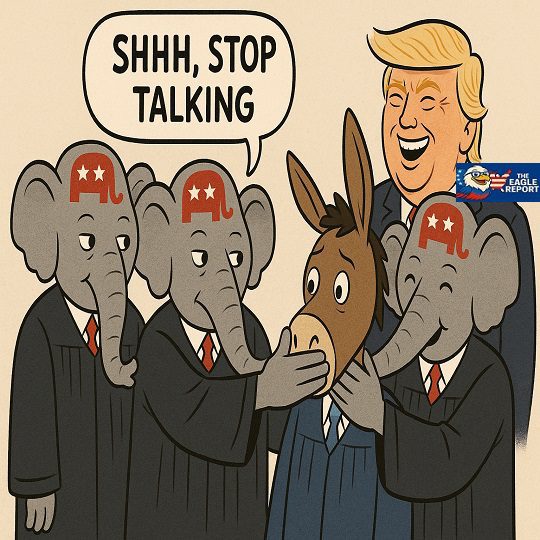
But here’s the kicker: the Court didn’t rule on whether Trump’s order is legal. They only ruled on how injunctions work. They put the policy on hold for 30 days to let lower courts figure out a game plan—like state-by-state or class-action suits. So yeah, it’s not dead, but it’s definitely slowed.
So what does this all mean? Imagine a patchwork: in some states the order stays frozen, in others it might go into effect. That could lead to newborns in different states having different citizenship rules. Yikes. That uncertainty has legal groups sprinting to file class actions and more lawsuits.
At the heart is a battle over power: does one judge get to stop nationwide policies, or should every plaintiff have to toe their own line? The Court just rebalanced things—cutting judges down to size, while leaving challengers a longer, more twisted path. It’s like changing the gears in a legal race—slower, bumpier, but not impossible.
Your newborn’s citizenship might soon depend on your ZIP code. Kinda crazy, right?