
Elon Musk has officially ended his 130-day role as head of the Department of Government Efficiency (DOGE), an initiative launched under President Donald Trump aimed at cutting federal spending and streamlining operations. Musk entered the role with a bold goal: save $2 trillion. However, the actual reported savings fell far short, estimated around $160 billion. Some analyses even suggest certain cuts may have resulted in unintended costs to taxpayers.
During his time with DOGE, Musk pushed forward aggressive cost-cutting measures. This included reducing federal jobs, restructuring government departments, and scaling back various programs. Supporters viewed these moves as long-overdue reforms. However, critics argued that the rapid changes disrupted essential services. One of the most controversial decisions was the reduction of humanitarian aid, which some reports connected to significant global consequences, including increased mortality rates abroad.
The political role also had ripple effects on Musk’s business ventures. Tesla reported a 71% year-over-year drop in earnings per share, and protests were reported at several dealership locations. Some investors and analysts expressed concern that Musk’s political involvement was distracting from Tesla’s operations and possibly affecting its public image.
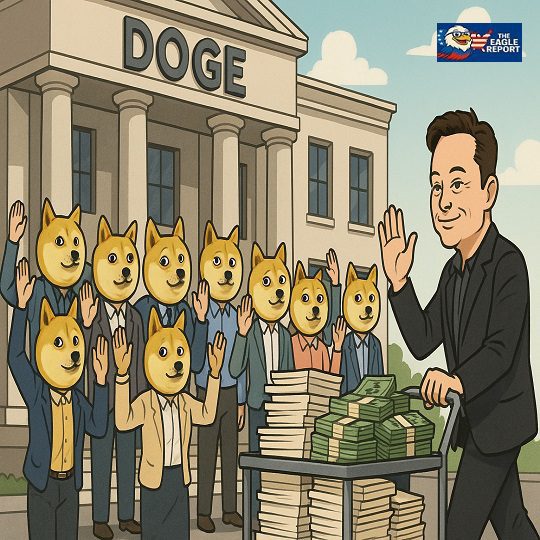
In response to the challenges, Musk announced he would step back from political duties to focus more on his companies—Tesla, SpaceX, and artificial intelligence venture xAI. He stated his intent to return his attention to technological innovation and private-sector goals. Despite stepping down, Musk is expected to remain as an advisor to President Trump, with the DOGE initiative continuing under its current leadership.
His departure from DOGE represents a shift back to the private sector after a highly visible and often debated government role. While the outcomes of his time with DOGE remain under discussion, many within the business community view his return to Tesla and his other ventures as a positive step.
As Musk exits the political spotlight, attention turns back to the core industries he helped shape—electric vehicles, space exploration, and AI development. Meanwhile, the legacy of the DOGE initiative remains uncertain, with ongoing conversations about its real impact and long-term effects on federal policy. Whether it ultimately achieved its goals is still a matter of debate.