
There was a time when the idea of walking around your house with a phone in your hand felt like something out of science fiction. No more being chained to the kitchen wall, no more stretching that curly cord across the room while trying not to trip anyone. In the early 1980s, the first cordless phones arrived, and people could not believe it.
Families rushed out to buy them. The commercials promised freedom, privacy, and a modern life. You could carry the phone to your bedroom, sit out on the porch, or wander into the garage while still talking. It felt like the future had arrived right in the palm of your hand.
But there was a catch. A big one.
The first cordless phones operated on simple radio signals. That meant if your neighbor also had a cordless phone, there was a good chance they could pick up your conversation by accident. It happened all the time. Someone would be talking to their sister about family gossip, and suddenly they would hear a stranger’s voice cut in. “Uh, hello? Who is this?” It felt spooky, and sometimes even scary.
In some neighborhoods, it became entertainment. People admitted to listening in on their neighbors’ conversations just for fun. A few even kept notebooks of what they overheard. It was harmless most of the time, but it caused more than one argument between families who suddenly realized their private words weren’t so private.
There were also rumors that police scanners could pick up cordless calls. That made people even more nervous. Folks would hang up in the middle of a conversation, look at the phone in their hand, and wonder if someone out there was laughing at their secrets.
Still, the excitement of having a cordless phone was too strong to resist. People showed them off proudly, like trophies. Guests would visit and be amazed when the host answered the phone and casually strolled into another room. For younger folks today it sounds ordinary, but back then, it was jaw dropping.
The phones themselves were huge. The antennas were long, often longer than the handset itself, and you had to pull them out like a car antenna. The bases were bulky and sometimes had trouble charging the handset properly. The batteries died quickly, and static was constant. You could barely walk to the end of your driveway before the call dropped.
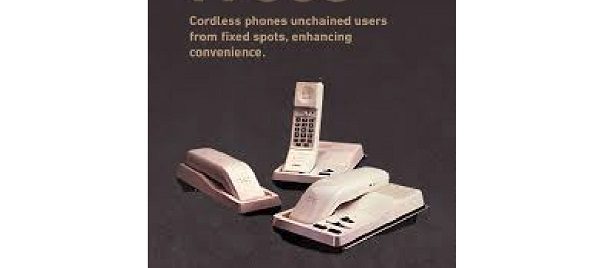
But none of that mattered. For a while, having a cordless phone was a status symbol. It meant your family was keeping up with the times. It meant you had stepped into the future, even if that future came with static and nosy neighbors.
By the late 80s and early 90s, the technology improved. Calls became clearer, signals became safer, and the fear of eavesdropping slowly faded. But people who lived through those first cordless days never forgot the weird mix of excitement and unease.
It was the thrill of freedom, mixed with the funny realization that you were never as private as you thought.