
So, have you been keeping up with the latest courtroom sagas involving former President Trump? It’s been quite the rollercoaster, and honestly, it’s hard to keep track without a legal degree—or a big bowl of popcorn.
Let’s start with the USAID funding debacle. A federal judge ordered the Trump administration to unfreeze funds for global aid programs. Simple enough, right? But weeks later, the funds remained frozen. The judge, clearly frustrated, asked the government’s lawyer if they were aware of the order. The response? A hesitant, “I’m not in a position to answer that.” Not exactly reassuring.
Then there’s the Kilmar Abrego Garcia case. The Supreme Court unanimously ruled that Garcia, a Maryland man wrongly deported to El Salvador, must be brought back. But the Trump administration? They shrugged it off, citing “state secrets” and national security concerns. It’s like watching a game where one team refuses to follow the rules, and the referees are powerless to intervene.
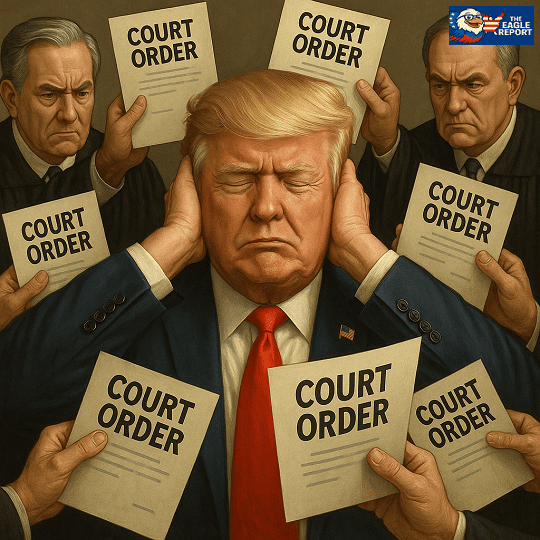
And let’s not forget the deportation flights to El Salvador. Despite a judge’s verbal order to halt the deportations, the administration proceeded, arguing that oral directives aren’t enforceable. One official even quipped, “I don’t care what the judges think.” Bold move.
Critics argue that these actions are eroding the very foundation of our legal system. If court orders can be ignored without consequence, what’s the point of having courts at all? It’s a question that’s been echoing through legal circles and coffee shops alike.
So, what’s the takeaway here? Maybe it’s that the balance of power in our government is more fragile than we’d like to admit. Or perhaps it’s a reminder that accountability is only as strong as our willingness to enforce it.